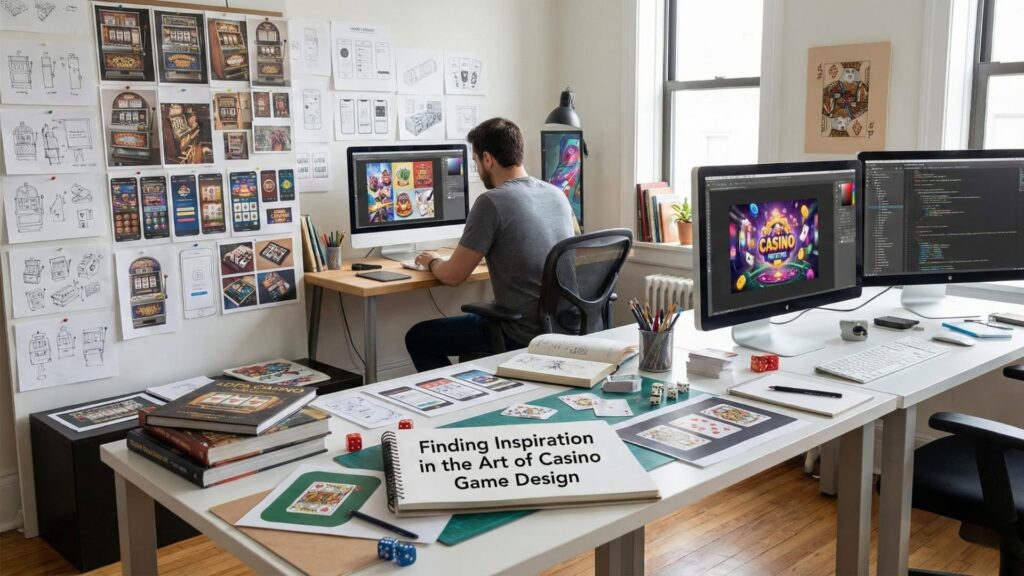
Casino game design has undergone a significant shift in recent years. And let’s be honest, it’s no longer just about the spinning reels and flashing lights. Today, visuals and gameplay are tied. Players expect a lot more than just a decent game. They’re looking for atmosphere, style, and a clear visual idea that grabs their attention. A well-designed game not only feels alive but also stays memorable.
Many casino games now take their inspiration from art, film, and digital culture. Game designers are starting to think like artists, using colour, shape, and movement to tell a story. This artistic approach keeps games from getting stale and keeps players interested.
The Visual Language of Modern Casino Games
In modern casino games, it’s all about a clear, deliberate visual system. Designers start with a strong colour palette. Bright colours create energy and excitement. Muted shades bring calmness and focus. Contrast is key, helping essential elements stand out, like winning symbols, bonus triggers and action buttons.
Symbols play a big role in how players read the game. They need to be instantly recognisable, even when spinning at high speed. Shapes stay uncomplicated and straightforward. Details are crisp and clear. Many studios test symbols on mobile devices first to ensure they look good on a small screen. A good symbol looks good whether it’s in motion or standing still.
Layout matters too. Reels, frames and UI elements need to be carefully arranged so players can follow what’s going on without much effort. Animations guide the eye through spins, wins and transitions. Short effects signal success. Subtle motion keeps the screen looking alive. When all the elements work together, the game feels smooth, confident and easy to follow.
From Fine Art to Game Art: Where Designers Get Their Inspiration
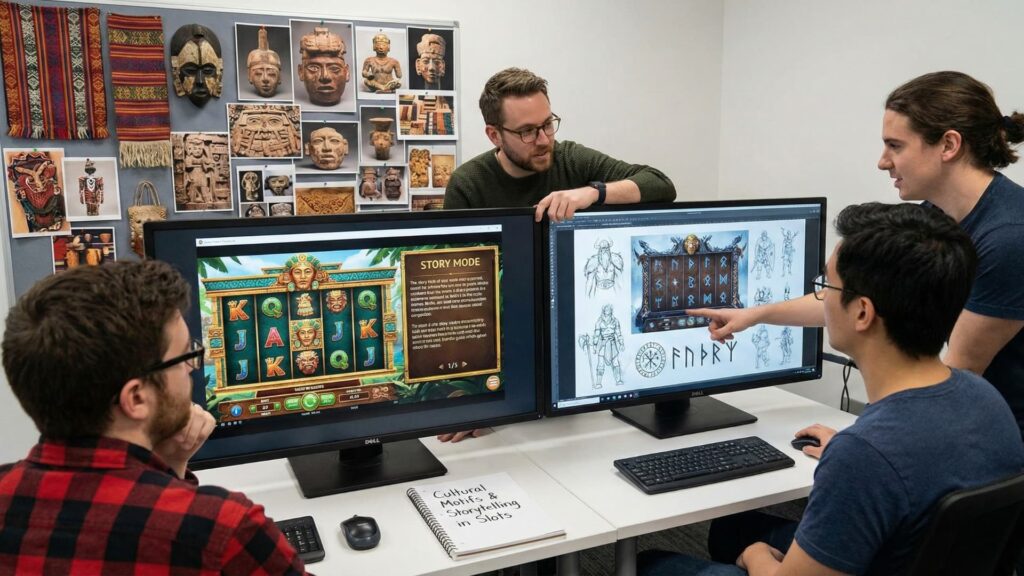
Casino game artists don’t usually work in isolation. They draw inspiration from everywhere. Classical painting influences composition and balance. Many slots borrow symmetry, framing and lighting from Renaissance or Baroque art. This gives scenes a rich and complete feel.
Digital illustration shapes modern slot visuals. Clean lines, strong contrasts and bold characters come from concept art and graphic novels. Cinema also plays a big role. Camera angles, lighting and dramatic pacing influence how bonus scenes and transitions feel. A slot can borrow the mood of an action film or the tension of a thriller.
Designers often draw ideas from several fields at once:
- Classical art for structure, colour harmony and depth
- Film for storytelling, lighting and dramatic focus
- Architecture for scale, symmetry and spatial rhythm
- Pop culture for trends, characters and instant recognition
By combining all these influences, designers turn familiar ideas into fresh game worlds that feel artistic but still accessible to players.
Cultural Motifs and Storytelling in Slot Design
Many slot games build their identity around a particular theme or culture. Designers use mythology, history and folklore to give the visuals a deeper meaning. Ancient gods, legendary heroes and mythical creatures give symbols a clear role. They feel both familiar and powerful.
Historical themes help set a strong atmosphere. Egyptian, Norse, Asian or medieval worlds rely on well-known symbols and colours. This makes the setting easy to read. Players understand the theme without needing an explanation. Fantasy adds freedom, designers can mix reality with magic, exaggerate forms and create worlds that feel bigger than life.
Regional symbols also play a big role. Patterns, ornaments and local icons help games connect with specific audiences. Storytelling ties everything together. Bonus rounds act like short chapters. Progression feels like a journey. When culture and story work together, the slot becomes more than a game – it becomes an experience.
Animation, Sound and Rhythm as Artistic Tools
Animation in slot design follows some strict rules. A standard reel spin usually lasts anywhere from 2.5 to 4 seconds. This range keeps the pace engaging without feeling rushed. Easing curves control motion. Designers use ease-in to build anticipation, and ease-out to make stops feel precise. Winning symbols often use micro-animations like glow pulses, 5-10% scale shifts, or short loops to draw attention without clutter.
Frame rate is also important. Most modern games run at 60 FPS on desktop and mobile. This ensures smooth motion and reduces visual fatigue. Animations serve feedback first. A player should understand a win, a loss or a trigger in less than one second just by watching the screen.
Sound: Audio Layers and Player Feedback
Sound design uses multiple layers. Background music is kept at a lower volume, typically 18 to 22 LUFS, to avoid fatigue. Action sounds sit higher in the mix. Spin clicks, reel stops and win tones confirm every action. Bonus triggers use distinct audio signatures so players can recognise them instantly.
Music tempo often matches gameplay speed. Base game loops sit around 90-110 BPM. Bonus rounds increase to 120-140 BPM to raise the excitement level. Short stingers signal big wins or near-misses. Silence plays a role, too. A brief audio drop before a feature trigger builds tension and focus.
Rhythm: Getting the Timing, Pace, and Feel Just Right
Rhythm is all about how all the different parts of a game fit together over time. Designers get down to the nitty-gritty of timing, which can be a matter of milliseconds when you’re dealing with animations. Reel stop delays usually hover between 150 and 300 milliseconds, a delay that creates anticipation without getting frustrating. When you win, the degree of celebration scales with the payout size; the smaller the win, the quicker the celebration. But the bigger the win, the longer the celebration goes on for and the more layered the effects are.
When you get the rhythm right, you avoid overwhelming the player. Your visuals appear in sequence rather than all at once, and your sound effects follow the visuals rather than creating their own rhythm. It’s a simple rule, but one that helps the brain process everything happening in the game in a clear, coherent way. When animation, sound and timing all come together in harmony, the game feels smooth, intentional and complete.
Finding a Balance Between Creativity and Commercial Praticalities
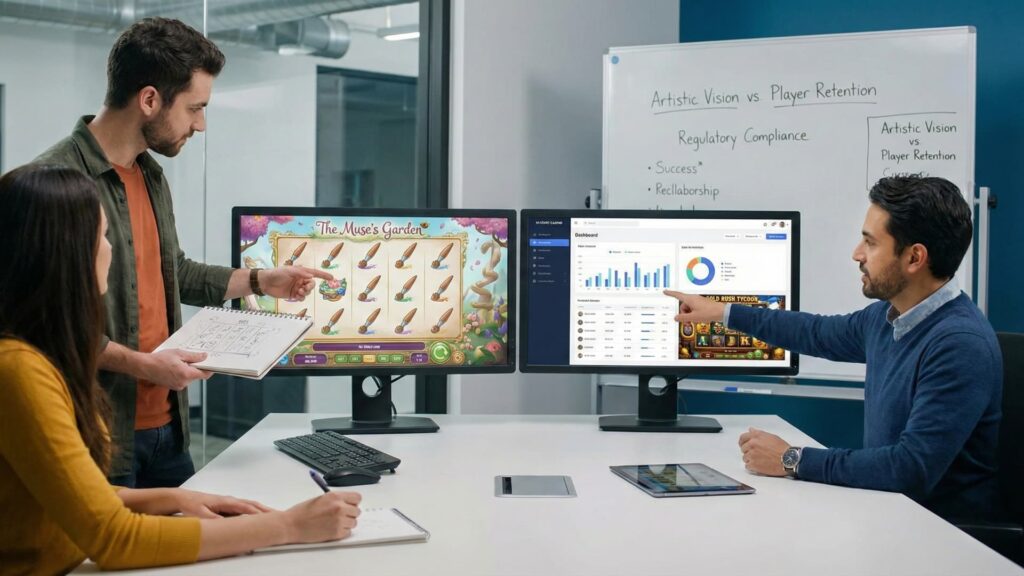
Casino game designers are constantly working within certain limits – and that includes maths models, RTP settings and more besides. If you’re going to create a game that keeps players engaged, you need to get the creative and the commercial to work in harmony. Now, RTP (Return to Player) usually falls in the range of 94% to 97% and your visuals need to support that balance. The game should feel rewarding without misleading the player, which means you can’t exaggerate the wins or hide the losses by using too many distracting effects.
UI and UX rules also need to be considered. So buttons need to stay visible and easy to read, text sizes need to follow accessibility rules, especially on mobile, and animations can’t slow things down so much that players get bored. And then there’s the file size, which many studios aim to keep under 20-30 MB so games can load fast.
Despite all these limitations, there is still room for creative expression – and some designers use the theme, pacing and detail to really bring their ideas to life. The best games are able to turn constraints into a creative framework, keeping things clear, fair and visually strong all at the same time.
The Future of Artistic Expression in Casino Game Design
Casino game art is evolving fast with AI tools now helping out with concept sketches, colour testing and symbol variations. This speeds up the early stages of production and enables procedural animation, which means games don’t feel quite as repetitive. The small changes made to the visuals on each session help keep the game feeling fresh.
At the moment, 3D elements are appearing a lot more often, especially in the bonus rounds. Parallax effects are also becoming more popular; they add depth to visuals without straining the system. And then there’s personalisation, where games can adjust the colour tones, sound levels, or animation speed based on how the player is behaving.
Art direction is moving towards a cleaner style – less clutter, more focus. And mobile-first design is driving a lot of decisions – because screens are getting smaller and expectations are getting higher. The future of casino design is going to blend art, tech and psychology excitingly. Games are going to come across as more adaptive, more expressive and more personal, without being too complicated or hard to play.
Conclusion
Art plays a central role in modern casino game design; it’s what sets the tone and keeps players engaged in the long run. Visuals, sound, and motion all work together to create a mood and an identity for the game, and when it all comes together just right, the game feels clear, immersive, and intentional.
Designers are drawing inspiration from all sorts of different creative fields, and they’re using their art to bring a sense of balance to the game, both in terms of creative expression and commercial practicalities. Getting it just right is what defines quality in this field and as the tools and tech evolve, so does the art. The best casino games don’t overwhelm the player; they explain themselves through their design, and when art supports gameplay, the experience feels natural and intuitive.