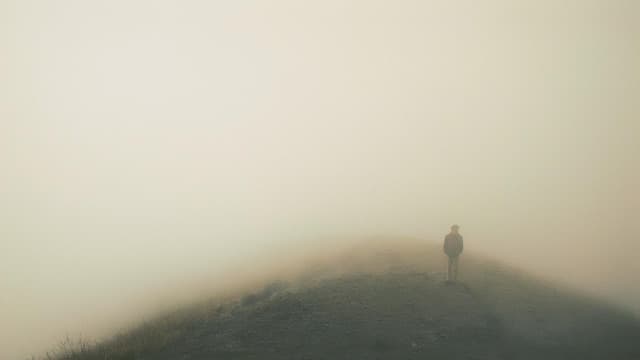
I am also a creative person. I paint pictures, write poetry, and am now learning to write songs for others. For me, poetry is the music of words, a way to convey emotions, thoughts, and images through rhyme and to legitimize all feelings. In painting, I contain my complex emotions, which are difficult to describe, and create a certain atmosphere at home.
Inspiration is an ephemeral but welcome guest for every creative person. It is a state of flow, when ideas flow like a river and your hands create on their own. It used to come to me only during periods of intense suffering. I was even afraid to stop suffering because I thought that then I would stop writing. And in fact, I didn’t know how to do it any other way.
Inspiration, in simple terms, is a state of intense enthusiasm coupled with the desire to do something. It is what drives the desire to create, to do something new. It is not a goal, but a process: constant movement, exploration, and self-improvement.
There is no universal recipe, but there is a set of proven methods that help you get closer to this coveted state:
- Inspiration is often drawn from the outside world, but not necessarily from viewing references and other authors. Pay attention to details: listen to the sounds of the city, watch the play of light and shadow, read books, talk to people. Write down interesting observations, unusual phrases, vivid images — this will become your “raw material” for future creations. Visiting museums, exhibitions, concerts, traveling — all of this broadens your horizons and stimulates your imagination.
- Tune in to your body, your feelings, and your emotions. Shift your attention from your head and thoughts to your sensations and observations (mindfulness). This will help you connect with the flow of music and receive information as if from nowhere. Meditation, yoga, walks in nature — these practices help clear your mind of unnecessary thoughts and tune in to your inner voice. Keeping a journal, working with images and symbols, analyzing your own emotions — all of this can help.
- If you are tired of the old images and thoughts, and nothing new comes to mind, transform the space around you: take a short trip, change the interior details, remove everything old from sight. Or create a very pleasant place for creative work, if you haven’t already done so. Experiment with music, scents, lighting—find your ideal creative environment.
- Anchor your creative space, stay in it only when you want to create and inspiration comes to you, then, conversely, this space will gradually begin to include processes of inspiration.
- Communicating with other creative people, collaborating, or simply exchanging emotions and images is an invaluable source of inspiration.
Don’t be afraid to experiment, take risks, or make mistakes. Every result is temporary; you can always do better, so don’t try to jump 10 steps ahead at once. The process itself is important, not just the result. Don’t be shy about your creations, even if they seem imperfect to you. Every sketch, every line is a step towards self-expression and developing your unique style.
Periods of lack of inspiration are normal. Don’t blame yourself for being “unproductive.” If you need to write/draw on a specific topic, but the images, rhymes, words, and music just aren’t coming, try to let go of that intention and spend half an hour creating whatever freely comes to mind, even if it’s illogical and unattractive, without judging it. And once you’ve freed your mind from this “free” information, you can get started on what you planned to create.
Your creative path is unique and full of endless possibilities. Cherish and develop your talent — the world needs your art!